
When businesses evaluate production methods for custom vehicles, branded environments, or mobile solutions, one question often comes up: What is the difference between fabrication and manufacturing? While the two terms are sometimes used interchangeably, they serve very different purposes.
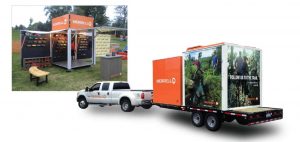
Fabrication becomes more common in experiential marketing and mobile solutions. CGS Premier specializes in custom fabrication for mobile experiences, branded displays, and specialty environments. Projects are tailored to the client’s objectives rather than built from a fixed template.
Fabrication vs Manufacturing: What’s the Difference?
The simplest way to explain manufacturing vs fabrication is this: fabrication focuses on custom-built solutions, while manufacturing centers around large-scale production.
Fabrication involves creating a product from raw materials based on a specific project or client need. Each build may have unique dimensions, layouts, branding elements, or integrated technology.
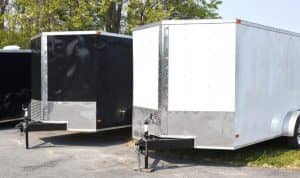
Manufacturing, on the other hand, is designed to produce large quantities of identical products. Efficiency, consistency, and repeatability drive the process. Manufacturers typically rely on standardized systems and assembly-line production methods to create products at scale.
Businesses exploring what is experiential marketing often discover that custom fabrication is essential for creating memorable audience engagement. Many projects also involve custom structures designed for specific environments and activations.
What Is Fabrication? (Custom Builds Explained)
Fabrication is the process of designing and building custom products from the ground up. Unlike standardized production, fabrication focuses on creating solutions that meet unique functional and branding requirements.
Custom fabrication often includes:
- Metalwork
- Structural design
- Electrical integration
- Lighting systems
- Audio and video technology
- Exterior branding and graphics
Each project is built around the intended use case. That flexibility is one of the biggest advantages of fabrication.
For example, experiential marketing campaigns frequently require custom vehicles and trailers that reflect a brand’s identity while supporting interactive experiences. Healthcare organizations may need mobile clinics equipped with exam rooms, technology integrations, and accessibility features. Those environments cannot typically be created through standard manufacturing processes.
CGS Premier fabricates a wide range of mobile and experiential solutions, including mobile infusion truck fabrication projects and custom mobile medical vans designed for healthcare providers nationwide.
Fabrication also supports one-off builds and prototype development. A company launching a new activation campaign may need a fully unique environment that does not exist anywhere else. In those situations, fabrication provides the adaptability required to bring complex ideas to life.
What Is Manufacturing? (Standardized Production)
Manufacturing focuses on producing large volumes of identical products as efficiently as possible. The goal is consistency, repeatability, and cost reduction through standardized systems.
Most manufacturing environments rely on:
- Assembly lines
- Predefined templates
- Automated processes
- Repeated production workflows
Manufacturing works well when businesses need standardized products with minimal variation. Common examples include consumer electronics, mass-produced vehicles, appliances, and industrial equipment.
One advantage of manufacturing is scalability. Once a production process is established, companies can produce high quantities quickly and efficiently. This helps reduce costs per unit and maintain consistency across products.
However, manufacturing has limitations when customization becomes a priority. Unique layouts and highly specialized environments often require more flexibility than manufacturing systems are designed to support.
That limitation is one reason custom fabrication remains essential in industries like experiential marketing. A branded activation trailer or mobile showroom often needs integrated technology, customized floor plans, and visually distinctive design elements that go beyond standard manufacturing capabilities.
Fabrication vs Manufacturing: Key Differences
The conversation around fabrication vs manufacturing often comes down to customization, production volume, and flexibility.
Fabrication is project-based and highly customized. Each build may involve different dimensions, layouts, materials, or integrated systems. This makes fabrication ideal for businesses that need unique environments or specialized functionality.
Manufacturing is designed for high-volume production. Processes are fixed and optimized for efficiency. While some customization may be possible, the overall structure remains standardized.
Flexibility is another major distinction. Fabrication allows teams to adapt designs based on client goals, branding requirements, or operational needs. Manufacturing systems are typically less adaptable because they rely on repeatable workflows.
Fabrication is commonly used for:
- Experiential marketing activations
- Mobile healthcare clinics
- Touring environments
- Custom trailers and vehicles
- Pop-up retail spaces
Manufacturing is better suited for:
- Consumer goods
- Standard equipment
- Large-scale product distribution
- Repeated product lines
Understanding the difference between manufacturing and fabrication helps businesses choose the right production approach for their goals.
When to Choose Fabrication Over Manufacturing
Fabrication is often the better choice when customization and brand experience are priorities.
Experiential marketing campaigns rarely fit inside a one-size-fits-all solution.
Custom fabrication is especially valuable for:
- Mobile activations
- Touring campaigns
- Pop-up retail environments
- Fan engagement experiences
- Branded mobile showrooms
- Custom vehicles and trailers
Businesses investing in mobile experiential marketing vehicles often require flexible layouts and integrated technology that support changing campaign needs. Companies launching pop-up shops may need modular environments that can adapt to multiple locations and audience sizes.
Fabrication also supports mobility and operational flexibility. A custom trailer or activation vehicle can travel between cities, events, and venues while maintaining a consistent brand experience.
For B2B companies, custom environments can bring products and demonstrations directly to decision-makers. Many organizations use B2B road shows to create controlled, immersive presentations outside traditional trade show environments.
CGS Premier specializes in custom vehicle fabrication solutions that help brands create highly customized mobile experiences built around their goals.
Why Fabrication Matters for Experiential Marketing
Experiential marketing depends on engagement. Brands are no longer competing solely through advertising. They are competing for attention and interaction.
That requires environments designed specifically for audience participation.
Fabrication plays a critical role because experiential campaigns often involve unique structures, custom layouts, integrated technology, and immersive visual elements. Standardized production methods typically cannot deliver the same level of customization.
Custom fabrication allows brands to:
- Create distinctive event environments
- Adapt to different venues and audiences
- Integrate technology and displays
- Reinforce brand identity
- Deliver memorable consumer interactions
Mobile experiential environments also help brands reach audiences directly. Instead of relying entirely on fixed locations, companies can bring experiences to festivals, trade shows, sporting events, and community activations.
CGS Premier designs and fabricates vehicles, trailers, and branded environments for experiential campaigns across multiple industries. Businesses exploring custom event fabrication solutions often prioritize flexibility, mobility, and audience engagement.
Brands looking to improve consumer interaction strategies can also learn more about why businesses should invest in experiential marketing and how custom fabrication supports those efforts.
Learn more about custom exhibits and event fabricators
FAQs
What is the main difference between fabrication and manufacturing?
Fabrication focuses on custom-built, one-of-a-kind products, while manufacturing involves producing standardized products at scale.
Is fabrication more expensive than manufacturing?
Fabrication can involve higher upfront costs because of customization and engineering requirements. However, it often delivers greater value for specialized or brand-focused projects.
What industries use fabrication the most?
Industries like experiential marketing, healthcare, construction, specialty vehicle design, and event production frequently rely on custom fabrication.
Can fabrication and manufacturing be used together?
Yes. Many projects combine manufactured components with custom fabrication to create a finished product tailored to specific needs.
Why is fabrication important for experiential marketing?
Fabrication allows brands to create immersive, custom-built environments that engage audiences and support memorable brand experiences.