
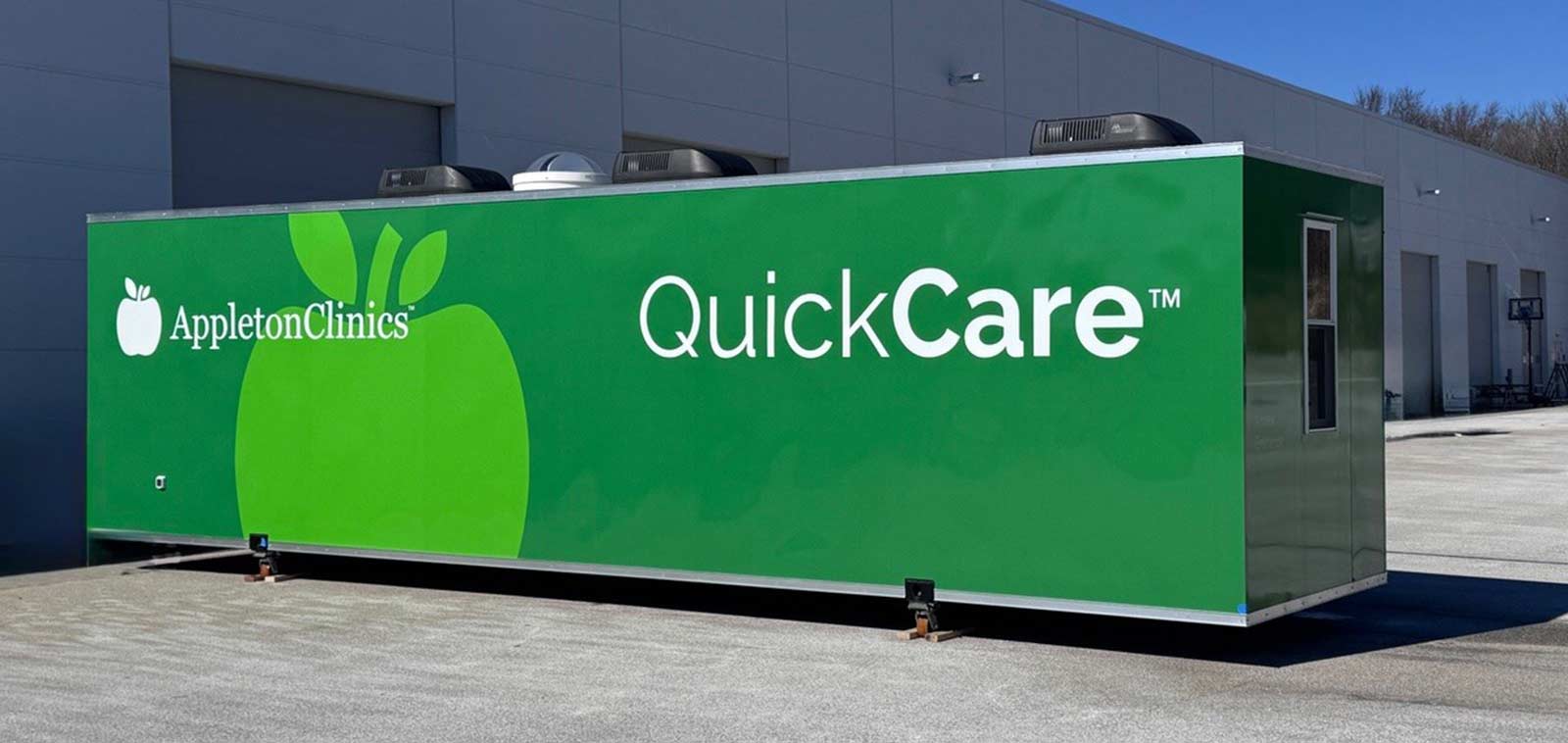
A mobile health clinic is a fully equipped medical office on wheels. Instead of waiting for patients to come to a traditional facility, it brings healthcare directly to the people who need it.
These clinics often serve uninsured and underinsured individuals, especially in low-income neighborhoods and rural areas where hospitals, doctors’ offices, and other healthcare resources may be limited.
More than 3,600 mobile health clinics operate across the United States, handling over 10 million patient visits each year. By providing care in familiar, convenient places, they make essential services easier to access and help support healthier communities.
How Mobile Health Clinics Work
Unlike a traditional healthcare facility, a mobile clinic is not tied to one location. It can travel to schools, workplaces, shelters, community centers, neighborhoods, and other places where patients already spend time.
Many mobile health programs follow predictable routes and schedules, returning to the same communities weekly or monthly. That consistency helps patients receive follow-up care and build relationships with providers instead of depending on one-time visits.
The patient experience is often similar to an appointment at a fixed clinic. A patient registers, completes an assessment, receives the appropriate treatment, and gets referrals if additional care is needed. The clinic may also schedule a follow-up visit or help the patient connect with a hospital, specialist, pharmacy, or community resource.
Bringing care into the community removes practical obstacles such as limited transportation. Showing up regularly can also help clinics build trust among people who may be uncomfortable with unfamiliar healthcare institutions.
Mobile Clinic Staffing and Essential Features
Mobile clinics may be staffed by physicians, nurses, dentists, behavioral health professionals, medical technicians, and community health workers. The exact team depends on the services the clinic provides and the needs of the people it serves.
Inside, the clinic may have private exam rooms, medical equipment, secure cabinetry, refrigerated medication storage, sanitation systems, and space for clinical supplies. Reliable electrical power, HVAC, running water, internet connectivity, and accessibility features also help create a safe, functional healthcare environment.
Telehealth systems allow staff to connect patients with specialists who are not physically on board. Point-of-care diagnostic equipment can support blood testing, vital-sign monitoring, and other assessments without requiring patients to visit another facility.
Optional Equipment and Climate Packages
Mobile units can be adapted to different climates and working conditions. Remote-start systems and cold-weather packages help protect medical equipment and prepare the vehicle for year-round service in colder regions.
Organizations can also add laboratory equipment or more advanced diagnostic technology. These features should be chosen based on the clinic’s services, climate, expected patient volume, travel distances, and daily workflow.
Services Provided by Mobile Health Clinics
Routine checkups, vaccinations, preventive care, and health education are among the most common health care services mobile clinics provide. Approximately 42% of mobile health clinics offer primary care, while 45% provide preventive screenings. About 30% of programs offer dental services.
Some clinics are designed around more specialized needs. Depending on their staff and equipment, they may offer mammography, chronic disease care, prenatal support, behavioral health services, or mental health monitoring. Other clinics combine several services, allowing patients to receive more comprehensive care during one visit.
Who Mobile Health Clinics Serve
Successful mobile health programs start by identifying communities with significant gaps in healthcare access. These may include neighborhoods with few providers, areas without convenient public transportation, or populations dealing with financial and cultural barriers to care.
The people who use mobile clinics reflect many of these disparities. Approximately 52.2% of mobile clinic clients identify as non-White, and about 40% identify as Hispanic. Bringing healthcare into convenient community settings can help patients receive services sooner, manage ongoing conditions, and connect with long-term healthcare resources.
Improving Health Outcomes and Lowering Costs
Research suggests that mobile clinics can improve access to preventive care, chronic disease management, and treatment adherence. Aggregate analysis estimates about $561,000 in avoided emergency department costs per mobile clinic per year. Separately, mobile acute care programs have been associated with shorter hospital stays — 5.8 days at roughly $10,315, compared with 7.9 days at roughly $13,187 under traditional care.
Mobile Health Map estimates these programs return roughly $1.4 billion to the healthcare system each year, along with nearly 69,200 prevented ER visits. Those savings can come from earlier diagnoses and reduced hospital use.
Major literature reviews and individual program studies have documented improvements in healthcare access, clinical outcomes, emergency department use, hospital stays, and cost-effectiveness. Results often reflect a particular program, population, location, or condition, so measure your own. Track patient outcomes, volume, satisfaction, access, service use, and avoided costs — it makes performance easier to evaluate, value easier to show funders, and expansion decisions easier to defend.
Breathmobile programs have been estimated to reduce emergency department costs by about $2.5 million annually. The program achieved a cost of $79.43 per additional symptom-free day for children ages 5 to 11. These programs show how focused mobile healthcare can improve quality of life while reducing the need for expensive emergency treatment.
Mobile Clinics in Emergencies and Disaster Relief
Mobile health clinics also operate in disaster zones and emergency-response settings. When local healthcare facilities are damaged, overwhelmed, or difficult to reach, a mobile unit can provide temporary space for assessments, treatment, medication distribution, and basic diagnostic services.
Deploying a clinic during an emergency requires trained staff, medical supplies, dependable communication systems, independent power, and a plan for rapid transportation. When mobile clinics coordinate with hospitals and public agencies, they can help take pressure off emergency departments during disasters, disease outbreaks, and other periods of increased demand.
Is a Mobile Health Clinic Right for Your Organization?
A mobile clinic may be a good fit when the communities you want to serve face transportation, affordability, provider-capacity, or trust barriers. Organizations should also consider whether they have enough clinical staff and administrative support to run the program consistently.
Ownership, leasing, and partnership-based models offer different levels of flexibility and commitment. Starting with a limited route or a focused service can help an organization test demand before making a larger investment.
Next Steps: Pilot, Measure, and Expand
Start with a pilot route based on documented community needs and establish baseline measurements before services begin. After launch, review patient demand, outcomes, costs, and community feedback. You can then adjust the schedule and services before expanding the program.
Contact CGS Premier to discuss a custom mobile clinic build or request a vehicle leasing quote that fits your mobile outreach aim.