Pop-up shops give brands a flexible way to meet customers in person without committing to a permanent storefront. A business might use one to introduce a product, explore demand in a new market, or create an experience that brings its brand to life. Because the format is temporary, it also gives companies room to experiment before making a larger investment.
From a compact kiosk to a custom mobile trailer, the possibilities vary widely, but the underlying strategy should remain consistent. A successful pop-up brings the setting, design, budget, and customer experience together around one clear goal. Each decision should help bring that concept to life.
Plan Your Pop-Up Shop
Understanding what you need for a pop-up shop starts with identifying its main purpose. It may support several goals, but one goal should take priority so the concept stays focused. A product launch, for example, may call for hands-on demonstrations, while a market test may place more emphasis on how customers respond.
Measure what matters most. Choose a few indicators that reflect the pop-up’s primary goal, then decide how the information will be collected. If the campaign includes several stops, use the same approach throughout the program so the results are easier to compare and more useful when planning future activations.
Opening day can serve as the anchor for the schedule. Work backward to give the major pieces enough time to come together, and assign clear ownership so delays or overlooked details are easier to catch before launch. Leave some flexibility in the timeline as well. Venue requirements, shipping delays, or design changes can affect even a solid plan.
Choose the Format, Location, and Budget
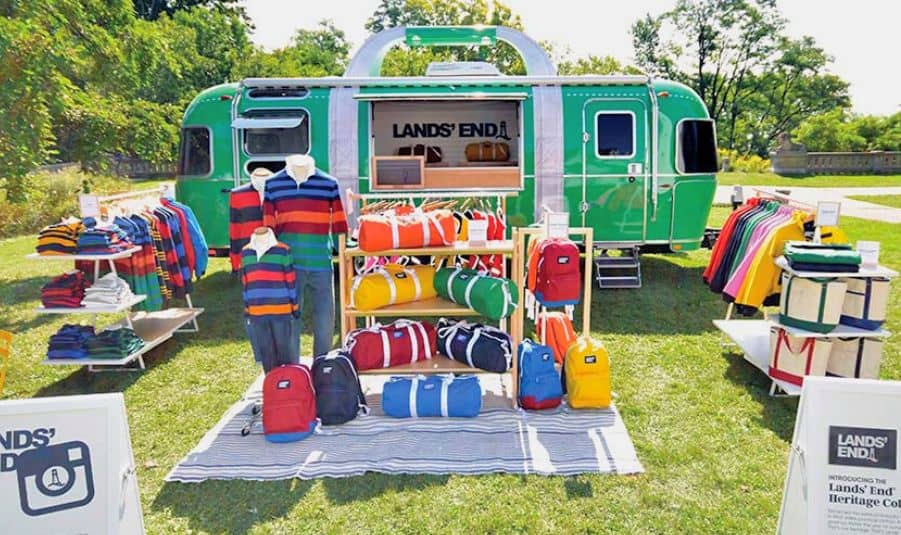
The pop-up’s purpose should guide how and where customers experience the brand. It might take shape as a kiosk, temporary storefront, or collaboration inside an existing business. For a campaign spanning several markets, a mobile shop built into a truck, trailer, or another transportable platform may offer more flexibility. The right choice depends on how long the activation will run, whether it will remain in one place, and how often the setup must be moved or adapted.
A temporary storefront can provide the feel of a traditional retail environment and may be useful for testing demand in one neighborhood. Kiosks and pop-in arrangements generally require less space, but they also give the brand less control over the surrounding environment.
Mobile formats offer greater consistency because the same experience can travel with the campaign rather than being rebuilt at every stop.
The setting should be evaluated with the intended customer in mind. Heavy foot traffic has limited value when the people passing through do not match the brand’s target market. Visit prospective sites during the hours you expect to operate, and make sure each space can support customer access, setup, storage, and daily operations. Nearby businesses and events may also influence whether visitors are likely to stop, browse, and spend time with the brand.
These choices will shape the budget. A small booth at a local event may require a relatively modest investment, while an immersive mobile activation traveling to several cities may involve design, fabrication, transportation, and ongoing operating expenses.
Estimate the cost of the full campaign rather than focusing only on rent. Staffing, technology, promotion, approvals, insurance, merchandise, and installation can all affect the total. Duration changes the calculation as well, since a lower-cost setup may become expensive if it requires repeated rentals or rebuilding. Leave room for unexpected expenses, especially when travel, weather, or multiple stops add complexity. A realistic budget helps ensure that the chosen format remains practical from launch through completion.
Handle Permits, Insurance, and Logistics
Permits, insurance, and logistics should be planned together because each can affect the setup and timeline. Requirements vary by city, venue, and activity, so approval for one event may not apply to the next. A company planning several stops may need to repeat parts of the process in each market.
Depending on the concept, the pop-up may need temporary business or vendor permits, tax registration, signage approval, or clearance for certain equipment and services. Food service, generators, outdoor structures, and product demonstrations can introduce added requirements. Property owners and event organizers may set their own conditions as well, including limits on operating hours, loading access, or alterations to the space.
Confirm those details before finalizing the design or schedule. A late restriction on signage, power use, or customer capacity can force costly changes. Once the operating plan is clear, review it with an insurance professional to determine whether existing coverage is sufficient. General liability insurance is common, but vehicles, valuable equipment, or temporary staff may require additional coverage.
Behind the scenes, the team needs a workable plan for getting materials to the site and keeping them secure. Inventory should arrive when the space is ready to receive it, and enough time must be available for safe setup and teardown. Traveling campaigns require added coordination, particularly when the unit must be cleaned, maintained, or restocked between appearances.
Customers may not see this preparation, but they will feel the difference when the pop-up opens smoothly and keeps their attention on the brand.
Design and Set Up the Experience
As visitors approach, they should quickly understand what the pop-up offers. Signage, branding, and layout can work together to guide them naturally through the space.
Inside, clarity becomes even more important. Displays and key activity areas need to be easy to find without making the setup feel crowded. Interactive features can add interest, but they should support the main idea rather than pull attention away from it.
Accessibility should be built into the layout instead of treated as a final adjustment. Entrances, pathways, displays, and activity areas should accommodate visitors with different mobility and sensory needs. Planning for comfortable movement and clear communication makes the pop-up more welcoming while reducing the likelihood of last-minute changes.
A strong central idea gives the space a clear focus. Merchandise, messaging, and customer interaction should reinforce the same takeaway rather than competing to make separate impressions.
Mobile pop-ups introduce another challenge: the experience has to travel well. Along with looking polished, the design needs to be practical to operate, secure during transit, and straightforward to set up again. When those considerations support the creative concept, the brand can deliver a consistent experience at every stop.
Prepare Technology, Staffing, and Operations
Before customers arrive, test every essential system under realistic conditions, including a weak internet connection or failed transaction. A backup connection can keep a minor technical issue from disrupting sales. The point-of-sale system should also be checked for pricing, discounts, receipts, refunds, and inventory updates so staff are not troubleshooting basic functions while a line forms.
Consistency becomes especially important for a traveling pop-up. The team may encounter different Wi-Fi networks, power sources, and venue rules throughout the campaign. Portable hotspots, charged backup devices, and a documented setup process can reduce the amount of improvisation required on-site.
Staff can shape how visitors remember the brand, so they need more than product knowledge. Everyone working the activation should understand its purpose, know how to interact with visitors, and be prepared to address safety, accessibility, or service concerns without making the experience feel strained. Training should also cover the practical questions customers are most likely to ask, particularly when the pop-up introduces a new product or unfamiliar technology.
When the space fills up, vague responsibilities quickly become visible. Assign ownership for the major operational areas so employees know where to focus and whom to consult when a problem arises. The exact roles will depend on the size and format of the pop-up, but someone should be ready to make decisions when equipment fails, inventory runs low, or crowd levels change unexpectedly.
A rehearsal can uncover issues the written plan missed. Walk through the customer experience from arrival through checkout, then test the closing process as well. Problems with equipment, timing, or workflow are much easier to correct before visitors enter the space. Even small adjustments can make the live activation feel far more polished.
Market the Pop-Up and Measure Results
Give people a reason to show up. Dates and location provide the practical details, but the promotion should focus on what visitors will be able to discover, try, or experience once they arrive.
The best way to spread that message will depend on the campaign and where it takes place. A local activation may benefit from neighborhood partnerships or venue promotion, while a product launch may rely more heavily on email, social media, or targeted outreach. Once the pop-up opens, exterior branding and shareable moments can attract people who did not encounter the campaign beforehand.
Long before opening day, decide which results will show whether the effort was worthwhile. Sales may be important, but leads, customer feedback, and future purchases can reveal whether the activation created value beyond the event itself.
Profit is only one part of that evaluation. A pop-up may not produce a large immediate return, yet still prove worthwhile by validating a market, strengthening customer relationships, or increasing awareness among the right customers.
When the activation ends, compare the results with what the team observed on-site. Visitor questions, product interest, traffic patterns, and staff feedback can show where the concept worked and where it needs refinement. Those findings can then inform the next activation.
Consider a Mobile Pop-Up Shop
For brands planning more than one activation, a mobile pop-up can make the experience easier to repeat from market to market. Instead of rebuilding the setup for every event, the company can take one branded environment from stop to stop. That consistency helps preserve the look, flow, and function of the space as the tour progresses.
The best arrangement depends on how often the unit will be used. Leasing may be practical for a short-term program or one-time campaign, while a custom-built unit can make more sense for recurring tours or concepts with specific design and technology needs. Ownership may also allow the company to update the space for future programs. Storage, maintenance, and the expected level of customization should factor into the choice as well.
A mobile format gives the brand more freedom to meet customers where they already are. The same unit might appear at a festival, retail event, or corporate gathering, provided it can adapt to different venues without losing its identity.
That flexibility requires careful planning. The unit must fit the intended sites, comply with local requirements, and remain practical for both staff and visitors. Early design decisions can affect transportation, setup, storage, and how smoothly the program moves from one stop to the next.
An experienced fabricator can connect the creative concept with the practical demands of a traveling program. Since 1993, CGS Premier has designed and built mobile retail trailers and experiential vehicles around the needs of individual campaigns. Because CGS is platform-agnostic, the team can recommend a vehicle or trailer format based on the activation rather than adapting every idea to the same standard platform.
CGS can also support leasing, custom fabrication, branded graphics, and deployment, including driver and on-site setup services when needed. The result is a mobile space that reflects the brand and remains practical to operate at every stop.
Bring Your Pop-Up Shop to Life
A successful pop-up starts with a clear purpose and grows from there. Its format, setting, design, staff, technology, and promotion should work together to support the brand’s central goal.
For companies planning a traveling or repeat activation, a mobile pop-up can make that experience easier to reproduce across markets while providing more control over how the brand appears at each stop. CGS Premier can help develop a custom mobile retail solution that fits the program, reflects the brand, and meets the demands of live events.
Ready to take your pop-up shop on the road? Talk with CGS Premier about creating a mobile retail experience built around your brand, audience, and campaign goals.