Bringing Healthcare into the Community
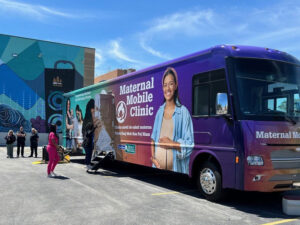
Mobile health units, also known as mobile medical clinics, are specially designed vehicles that bring medical services beyond traditional hospitals, clinics, and doctors’ offices. Depending on how they’re set up, these units can provide primary care, screenings, vaccinations, behavioral health support, prenatal services, health education, and other essential services.
Rather than asking every patient to travel to a healthcare facility, mobile clinics bring care to familiar, convenient community settings. They can operate at schools, workplaces, shelters, community centers, rural locations, and underserved urban neighborhoods.
For healthcare systems, nonprofits, public agencies, and other organizations, a mobile clinic can expand an existing care network or support a dedicated outreach program. CGS Premier helps bring these programs to life with custom mobile healthcare vehicle design and fabrication, flexible vehicle leasing, and branded fleet graphics.
Mobile Health Clinics at a Glance
More than 3,600 mobile health clinics operate across the United States, delivering more than 10 million patient visits each year. Their patient populations often include the people most likely to face barriers to traditional care:
- Approximately 41% of patients are uninsured.
- About 59% are members of racial or ethnic minority groups.
- Roughly 55% are from low-income populations.
- Approximately 38% are experiencing homelessness.
By meeting patients where they are, mobile clinics can make care easier to access, strengthen prevention efforts, support better health outcomes, reduce costs, and build trust between healthcare providers and the communities they serve.
Expanding Access to Essential Healthcare
Transportation issues, busy work schedules, geographic isolation, and financial concerns can all make routine healthcare difficult to access. Mobile health units help remove these barriers by delivering services in places that are easier for patients to reach.
Many mobile clinics offer care at low or no cost. That can make a big difference for uninsured patients and people who may put off treatment because they’re worried about the expense.
A recurring mobile clinic can serve rural communities without nearby providers, visit shelters and community centers, or rotate among underserved communities. Receiving care in a familiar place may also make the experience feel less intimidating. Patients may be more comfortable asking questions, discussing symptoms, and seeking help before a minor concern turns into an emergency.
Providing Multiple Services in One Mobile Unit
A mobile health unit can bring several related services together in one convenient place. During a single visit, a patient might receive a routine exam, health screening, vaccination, behavioral health consultation, and referral.
Common mobile clinic services include:
- Primary and preventive care
- Vaccinations
- Blood pressure, diabetes, and other health screenings
- Routine physical examinations
- Prenatal and maternal health services
- Mental and behavioral health support
- Health education
- Telehealth consultations
- Referrals to specialists and fixed-site providers
Flexible interiors let organizations configure their units around specific community needs. A vehicle might include private examination areas, screening stations, consultation space, medical storage, and telehealth equipment. Some multipurpose units can also be adapted as program priorities change.
This all-in-one approach makes care simpler for patients who might otherwise need to visit several providers in different locations.
Strengthening Prevention and Health Outcomes
Preventive screenings are among the common services provided by mobile health clinics. These services can uncover health risks before symptoms become serious or require more expensive treatment.
Vaccinations and routine screenings support early intervention, while prenatal services can help expectant mothers begin receiving care earlier in pregnancy. Regular mobile clinic visits may also help patients manage chronic conditions such as diabetes and hypertension through monitoring, education, and medication support.
Care doesn’t have to stop when the vehicle leaves. EHR access, telehealth appointments, remote monitoring, and established referral networks can connect patients with laboratories, pharmacies, specialists, and fixed healthcare facilities. A clear follow-up process can turn a single mobile appointment into part of a longer-term care plan.
Reducing Emergency Room Visits and Hospital Costs
When routine care is hard to access, patients may turn to emergency departments for conditions that could have been treated earlier in a lower-cost setting. Mobile clinics give communities another option.
A mobile health clinic may prevent an average of approximately 600 emergency room visits each year, producing an estimated $561,220 in annual savings from avoidable emergency department use. By addressing symptoms sooner and supporting ongoing disease management, mobile clinics may also reduce hospitalization costs through earlier treatment and shorter stays.
Health systems can estimate emergency care savings by multiplying the number of avoided emergency visits by the average cost of an emergency visit. They can develop a more complete estimate by adding the costs of avoided admissions and the savings associated with shorter hospital stays.
Actual results will depend on patient volume, local healthcare costs, the services provided, and the needs of the target population. Tracking outcomes from the start can help organizations develop a more accurate picture of the program’s financial impact.
Delivering a Strong Return on Investment
Some estimates suggest that mobile health clinics can reduce healthcare costs by as much as $12 for every $1 invested. These savings can come from replacing avoidable emergency care with preventive services, identifying illnesses earlier, and helping patients manage chronic conditions more effectively.
The financial benefits may be shared across hospitals, health plans, public health agencies, and community organizations. Hospitals may see fewer nonemergency visits and preventable admissions, while public agencies can reach more residents without opening a new permanent clinic.
A useful ROI calculation should consider:
- Vehicle and equipment expenses
- Staffing, fuel, maintenance, and supply costs
- Patient volume
- Avoided emergency department visits
- Prevented hospital admissions
- Shortened hospital stays
- The value of screenings and early interventions
These metrics help program leaders compare operating costs with direct savings and the program’s broader community health benefits.
Reducing Health Disparities
Mobile clinics are built to reach populations that often experience ongoing gaps in healthcare access, including uninsured, low-income, unhoused, minority, and geographically isolated communities.
A predictable schedule matters. Returning to the same locations regularly gives patients more chances to receive ongoing care. Partnerships with schools, shelters, employers, faith-based groups, and neighborhood organizations can also help programs understand local needs and connect with residents.
Rural programs may need to account for longer travel distances, limited broadband access, and fewer referral providers. Urban programs may focus more on neighborhood-level outreach, parking access, language services, and coordination with several community partners.
Organizations can track their progress by looking at patient demographics, services delivered, referrals, completed follow-ups, and repeat visits.
Building Trust and Empowering Patients
Trust is one of the biggest benefits a mobile clinic can offer. Patient-centered design, welcoming staff, clear communication, and a consistent community presence can make healthcare feel more approachable.
Receiving care in a familiar neighborhood, workplace, school, or community center may help reduce anxiety. Culturally responsive staff and accessible educational materials can help patients better understand their health, make informed decisions, and feel more comfortable navigating the healthcare system.
Mobile units also bring valuable health education beyond traditional clinical settings. Staff can explain preventive care, medication use, chronic condition management, nutrition, prenatal health, and available community resources. Patients often leave feeling more informed and confident about what to do next.
Supporting Public Health Emergencies
Mobile healthcare vehicles can be deployed during infectious disease outbreaks, natural disasters, and other public health emergencies. Depending on their design and equipment, they may support:
- Testing and vaccinations
- Patient triage
- Basic medical care
- Health education
- Supply distribution
- Telehealth consultations
Flexible layouts and modular equipment allow organizations to adjust their services as conditions change. During periods of high demand, mobile units can support hospitals and fixed clinics by adding capacity or bringing care directly to affected communities.
Integrating Mobile Clinics with Health Systems
A successful mobile program should connect patients with the larger healthcare system. After a mobile appointment, a patient may still need laboratory testing, medication, specialist care, or continued treatment at a permanent facility.
EHR access allows mobile teams to review and update patient records. Telehealth systems can bring remote clinicians into the vehicle, while referral agreements provide clearer paths to follow-up care.
Staffing should match the services being offered and the number of patients expected. A program may include physicians, nurse practitioners, nurses, medical assistants, behavioral health professionals, community health workers, drivers, and administrative support.
Useful performance metrics include:
- Screenings and vaccinations completed
- Patients served
- Referrals issued and completed
- Follow-up visits
- Avoided emergency care
- Patient satisfaction
- Health outcomes over time
Planning Your Own Mobile Clinic
Before choosing a vehicle, define who the program will serve, which services it will provide, the staff and equipment it will require, where it will operate, and how success will be measured. Many organizations may benefit from starting with a pilot program, measuring its performance, and expanding based on what they learn.
Contact CGS Premier to discuss mobile clinic designs, leasing options, deployment timelines, and budget considerations for your community healthcare program.