Mobile advertising and internet advertising overlap, but they aren’t the same thing. Internet advertising is the umbrella: paid search, display ads, social promotions, video, and anything else delivered over an internet connection, on any screen from a desktop monitor to a phone. Mobile advertising is the slice of that built specifically for smartphones and tablets — mobile web ads, in-app placements, location-based promotions, click-to-call, click-to-map, and text campaigns.
So the real comparison isn’t mobile versus internet. It’s mobile versus desktop, and the clearest difference is the device. Desktop campaigns get long, focused sessions with a keyboard and mouse. Mobile campaigns get small touchscreens and people who scroll fast, with little space or patience for long messages.
Targeting differs too. Desktop advertising leans on first-party data, cookies, and IP addresses to infer intent, then sends people to a website or landing page. Mobile adds device identifiers, in-app signals, and precise location — which is why a mobile ad can reach someone based on where they’re standing, not just what they’ve browsed.
That’s what makes mobile the bridge to physical brand experiences. Mobile devices account for roughly 60 percent of global web traffic, and a mobile ad can move someone from a scroll to a real-world stop: a branded vehicle tour, a product demo, a pop-up activation. The strongest campaigns don’t pick one. They run mobile, desktop, and on-site experiences together, with each doing the job it’s best at.
Key Differences in User Context and Behavior
The biggest practical difference is not just screen size. It is how, where, and when people use each device.
Desktop advertising often reaches users during longer, more focused sessions. Desktop users are usually stationary, working with a keyboard and mouse, and moving between tabs. They may be more willing to complete detailed forms, compare features, or read long-form content.
That environment can work well for B2B buying committees, complex purchases, and research-heavy decisions.
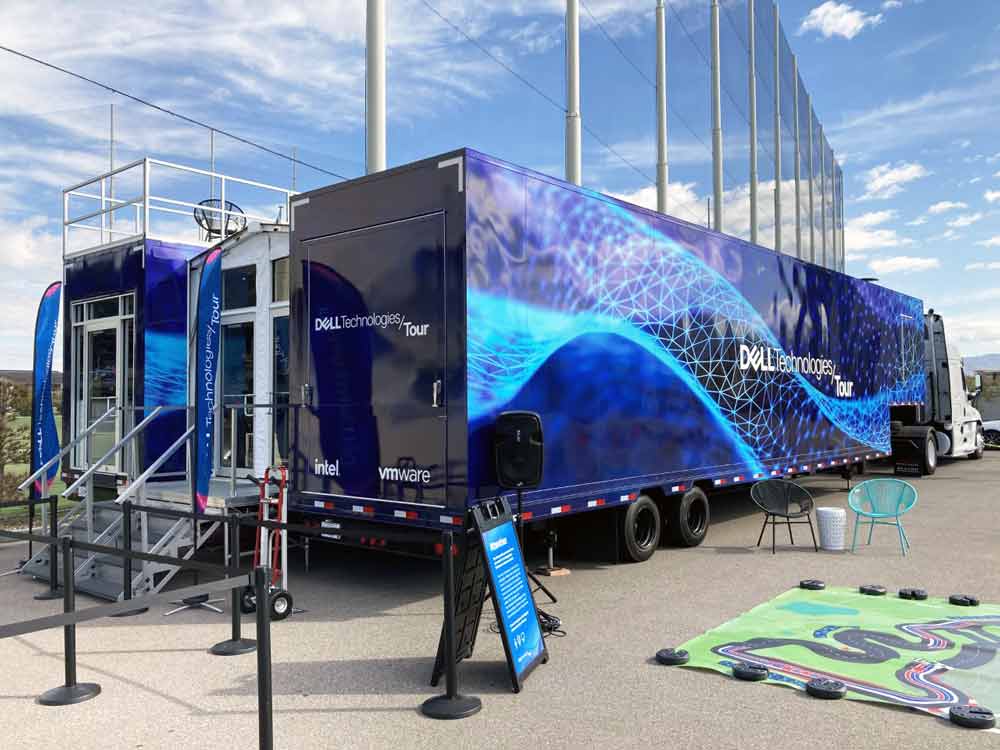
Mobile use looks different. People often check their phones in quick moments throughout the day, such as looking at a map in a parking lot, scanning a QR code on a branded trailer, or browsing social media between meetings.
Mobile advertising must account for these shorter interactions. That usually means concise copy, large tap targets, vertical video, and one clear call to action.
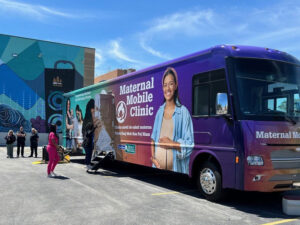
Mobile also supports real-time engagement with physical experiences. When a CGS Premier mobile health clinic or pop-up retail trailer is on-site, visitors can scan codes, claim offers, register, or follow the brand on social media. They may return to a desktop later for more detailed research.
Making It Easy to Take Action
Mobile ads allow users to respond immediately. Click-to-call ads work well for appointments, leads, customer questions, and time-sensitive bookings. Click-to-download ads can support app launches, loyalty programs, and branded experiences.
Keep the call to action simple with one clear next step, such as “Call Now,” “Download the App,” or “Reserve Your Spot.” Testing different wording, colors, and placements can help determine which approach performs best.
When to Prioritize Mobile vs. Desktop Ads
The right mix depends on your audience, goals, budget, and use of experiential assets.
Prioritize mobile advertising when:
- Launching local clinics, pop-ups, or retail activations
- Running event tours with fabricated trailers or specialty vehicles
- Promoting a time-sensitive offer
- Using QR codes, text-to-win promotions, or on-site social sharing
- Reaching customers who are moving through specific geographic areas
Prioritize desktop internet advertising when:
- The sales cycle is long and involves several stakeholders
- The content includes webinars, product comparisons, or technical details
- Your audience includes office-based decision-makers
- Lead forms require detailed or complex information
Benefits of Mobile Advertising
Location and Behavioral Targeting
Mobile advertising helps brands reach people at relevant moments throughout the day. Because consumers use smartphones to find directions, compare products, communicate, and make purchases, mobile ads can reach them when they are already close to taking action.
Location and behavioral targeting can make promotions more relevant. From an ad, users can move directly to a phone call, app download, booking form, or event registration page without changing devices.
Personalization
Personalization can make marketing campaigns even more effective. Ads may change based on a person’s location, interests, previous interactions, or distance from an activation. When used thoughtfully, this personalization can make the experience more convenient and useful.
Seamless User Actions
Mobile ads are optimized for immediate, context-aware actions, allowing users to interact with brands in real time, whether it’s making a call, downloading an app, or registering for an event.
Building an Integrated Mobile Marketing Strategy
Set Clear Goals
Start with one clear goal, such as building awareness, attracting event attendees, collecting leads, increasing app downloads, generating bookings, or supporting sales.
Use Audience Behavior to Guide Strategy
Use audience behavior to guide ad placement, frequency, format, and spending across mobile websites and apps. The budget should account for the complete experience, including digital media, vehicle leasing, fleet graphics, creative production, staffing, and on-site engagement.
Track and Optimize
Before launch, determine how you will track impressions, clicks, calls, scans, registrations, and event visits. Consistent branding and calls to action will help audiences recognize the campaign across every touchpoint.
Bringing Mobile and Desktop Together
Mobile advertising differs from desktop advertising in user context, formats, targeting signals, and measurement methods. However, effective brands do not treat these channels as completely separate. They coordinate mobile, desktop, and offline experiential marketing so each platform serves a clear purpose.
CGS Premier helps brands and agencies create connected experiences by developing physical assets and supporting integrated, measurable campaigns from the first sketch to the final stop.