Advertising is everywhere. Whether you’re scrolling through social media, streaming a video, browsing a website, or searching online, you’re constantly surrounded by digital ads competing for your attention. While digital marketing remains an effective and budget-friendly way to reach consumers, the sheer volume of online advertising has made it increasingly difficult for brands to stand out and create lasting impressions.
That’s why more companies are investing in mobile marketing. Instead of waiting for customers to find them online, brands can take their message directly to their audience through immersive, in-person experiences. Mobile marketing combines the broad reach of traditional advertising with the engagement of experiential marketing, allowing brands to connect with consumers in memorable ways that drive awareness, interaction, and long-term brand loyalty.
What Is Mobile Marketing?
Mobile marketing is a strategy that brings a brand directly to its audience through branded vehicles, pop-up experiences, mobile showrooms, product demonstrations, and other experiential activations. Rather than waiting for consumers to discover a brand online or visit a physical location, companies take their products, services, and experiences into the communities where their target audience lives, works, and attends events. As part of an experiential marketing overview, mobile marketing creates opportunities for meaningful, face-to-face interactions that build stronger customer relationships.
Additionally, it’s important to distinguish physical mobile marketing from digital mobile marketing. Digital mobile marketing focuses on reaching consumers through smartphones, apps, text messages, email, and mobile websites. Physical mobile marketing, on the other hand, uses branded vehicles, pop-up environments, and immersive activations to engage consumers in person. These experiences encourage hands-on interaction, product exploration, and authentic conversations that are difficult to replicate through digital channels alone.
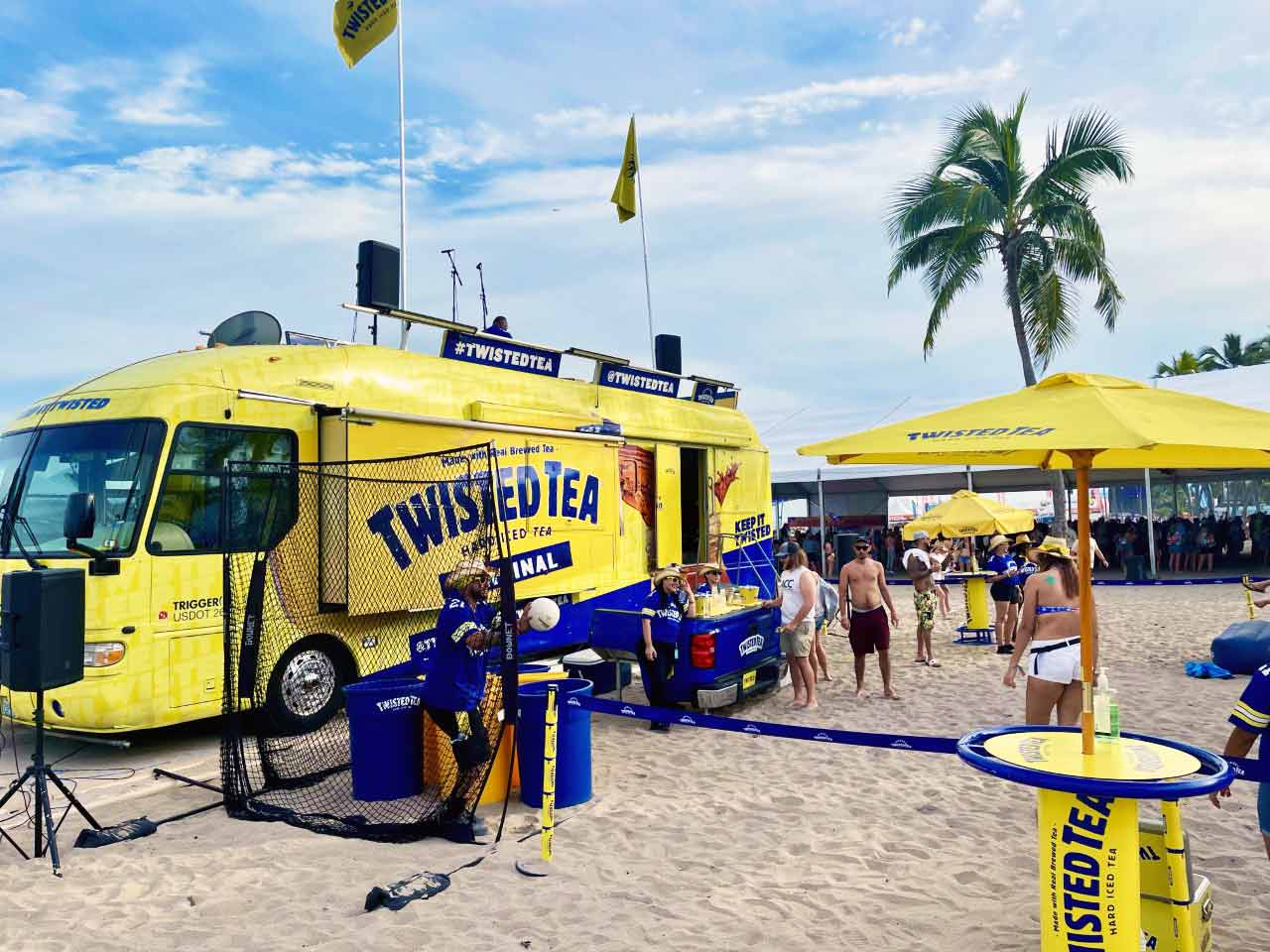
Mobile activations allow companies to reach audiences at festivals, sporting events, retail centers, campuses, trade shows, and community gatherings while delivering a consistent brand experience. Through professional experiential marketing services, organizations can create memorable mobile brand experiences that generate awareness, strengthen customer relationships, and extend the impact of their marketing campaigns.
How Mobile Marketing Works
Mobile marketing campaigns operate by bringing branded experiences directly to the people a company wants to reach. Using custom vehicles, trailers, or pop-up environments, brands travel to targeted locations where consumers can interact with products, services, and brand ambassadors in person. Unlike traditional advertising, mobile activations create opportunities for hands-on engagement while allowing companies to meet audiences where they already gather. Careful planning a successful mobile marketing tour helps ensure each stop supports campaign objectives and delivers a consistent brand experience.
Successful campaigns require thoughtful coordination behind the scenes. Brands typically develop routes, schedule events, coordinate staffing, prepare vehicle setups, and create interactive experiences designed to engage attendees. Mobile activations can be tailored for festivals, sporting events, college campuses, trade shows, community events, or B2B roadshows, giving organizations the flexibility to reach different audiences across multiple markets. This scalable approach allows brands to expand their reach, adapt to changing campaign needs, and maintain a strong presence wherever opportunities arise.
Types of Mobile Marketing Vehicles and Setups
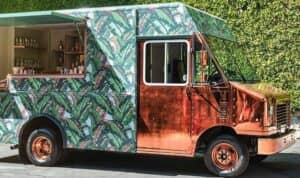
Mobile marketing campaigns can be built around a variety of vehicle platforms, each designed to support different budgets, audience sizes, and activation goals. The right mobile marketing vehicles depend on your campaign footprint, travel requirements, and the type of experience you want to deliver. Common mobile marketing setups include:
- Sprinter and step vans: Sprinter and step vans are ideal for compact activations, product demonstrations, street teams, and city tours where mobility and quick setup are priorities.
- Box trucks: Box truck marketing vehicles provide additional interior space for mobile retail, product displays, and experiential activations.
- Drop trailers: Drop trailers are well suited for larger branded environments with interactive exhibits, hospitality areas, and product showcases.
- Semi-trailers: These offer the largest footprint for nationwide tours, major events, and high-capacity experiential activations.
- Airstream trailers: Airstream marketing trailers are a popular choice for premium lifestyle campaigns that prioritize visual appeal and brand presence.
- Pop-up structures: These expand an activation with additional space for demonstrations, product sampling, seating, and customer engagement.
Many of these platforms feature customizable layouts, branded interiors, interactive technology, and flexible configurations, allowing brands to create immersive environments that support a wide range of activation goals while delivering a memorable audience experience.
Benefits of Mobile Marketing for Brands
Mobile marketing helps brands connect with consumers in ways that traditional advertising often cannot. By bringing products, services, and experiences directly to target audiences, brands create meaningful face-to-face interactions that build trust, encourage participation, and leave lasting impressions. These benefits are a major reason why businesses invest in experiential marketing as part of their overall strategy. Key benefits of mobile marketing include:
- Direct consumer engagement: Brands interact with customers in person, creating authentic conversations and hands-on experiences.
- Increased brand awareness: Mobile activations bring branded experiences to high-traffic locations, expanding visibility across multiple markets.
- Memorable experiences: Interactive environments help audiences form stronger emotional connections and improve brand recall.
- Real-time product demonstrations: Consumers can see, test, and experience products firsthand before making a purchase decision.
- Social media exposure: Eye-catching activations encourage attendees to share photos and videos, generating organic content and extending campaign reach.
- Geographic flexibility: Mobile campaigns can travel to festivals, trade shows, sporting events, campuses, and community gatherings, allowing brands to reach audiences wherever they are.
These immersive experiences often generate higher engagement than traditional advertising because consumers actively participate instead of passively viewing a message. Understanding how experiential marketing influences consumer behavior helps explain why mobile activations are so effective at strengthening brand relationships, increasing participation, and driving long-term loyalty.
Mobile Marketing vs Traditional Marketing
Traditional marketing channels like TV commercials, print ads, static billboards, and event sponsorships can build brand awareness, but they typically rely on one-way communication. Consumers see the message but have limited opportunities to interact with the brand. Mobile marketing takes a different approach by bringing branded experiences directly to consumers, creating opportunities for conversation, product interaction, and meaningful engagement.
Comparing experiential marketing vs traditional marketing highlights how live experiences can create stronger connections than passive advertising alone. Mobile marketing offers several advantages over traditional marketing:
- Interactivity: Consumers actively engage with products, demonstrations, and brand ambassadors.
- Mobility: Campaigns travel to multiple markets, events, and high-traffic locations instead of remaining in one place.
- Personalized experiences: Brands can tailor interactions based on audience interests and event environments.
- Data collection opportunities: Activations can generate leads, gather customer feedback, capture email sign-ups, and measure engagement in real time.
By combining mobility with immersive, face-to-face engagement, mobile marketing helps brands build stronger relationships, increase brand recall, and create lasting impressions.
Popular Mobile Marketing Campaign Examples
Many of today’s modern experiential marketing examples feature product sampling tours that allow consumers to try new products before purchasing, while pop-up shop activations transform temporary spaces into immersive retail environments that generate excitement and encourage immediate sales. Brands also use mobile hospitality experiences and interactive activations to create memorable moments through product demonstrations, digital experiences, and personalized customer interactions.
Mobile marketing has also become a popular strategy for reaching audiences at large-scale events. Experiential sports marketing brings fans closer to their favorite teams and sponsors through interactive exhibits, games, and branded experiences at stadiums and sporting events.
Companies also use mobile activations for trade show tours, allowing them to bring demonstrations and product showcases to multiple markets throughout the year. Industries including food and beverage, sports, entertainment, automotive, and fashion continue to invest in mobile marketing because it increases brand visibility, encourages consumer participation, and creates memorable experiences that extend well beyond the event itself.
What Makes a Mobile Marketing Campaign Successful?
A successful mobile marketing campaign starts with a clear strategy and a focus on creating meaningful audience experiences. Strong branding helps make the activation instantly recognizable, while strategic route planning ensures the campaign reaches the right audiences at the right locations. Interactive experiences, well-trained staff, social media integration, and clearly defined objectives all contribute to stronger engagement and better results. Following these tips for building a successful experiential marketing campaign can help brands maximize the impact of every activation.
Brands should also avoid common pitfalls that can limit campaign performance. Poor logistics, weak audience targeting, limited engagement opportunities, and overly complicated setups can reduce attendance and diminish the overall experience. Reviewing common mistakes to avoid in experiential marketing can help teams identify potential challenges before launch. Most importantly, every campaign should have measurable goals, such as lead generation, product demonstrations, social engagement, or brand awareness, so success can be evaluated through meaningful metrics. Understanding measuring experiential marketing ROI allows brands to refine future campaigns and make more informed marketing decisions.
Designing a Mobile Marketing Vehicle
Designing a mobile marketing vehicle involves much more than adding graphics to the exterior. Every element should support the campaign’s goals while creating a functional, engaging experience for both staff and attendees. Through custom event fabrication, brands can transform vehicles into immersive environments that increase visibility, improve audience interaction, and streamline event operations. Reviewing what to consider when designing your marketing vehicle can help ensure the final design supports both marketing and operational objectives.
Key features often include AV systems for presentations and digital content, product display areas for demonstrations, climate control for guest comfort, secure storage for equipment, and accessibility features that create a welcoming experience for all attendees. Investing in custom vehicle solutions allows brands to tailor these elements to their specific campaign needs.
A thoughtfully designed vehicle can strengthen consumer perception and increase engagement while also improving workflow, efficiency, and helping teams deliver more successful activations at every stop.
Partnering With CGS Premier for Mobile Marketing Solutions
Launching a successful mobile marketing campaign takes strategic planning, custom fabrication, expert design, and flawless execution. As a full-service experiential marketing partner, CGS Premier helps brands create mobile activations that capture attention, engage audiences, and deliver measurable results. Learning about the CGS difference shows how the company’s integrated approach supports every stage of the campaign process.
From custom vehicle fabrication and branded environments to nationwide activation support, CGS Premier provides end-to-end solutions tailored to each client’s goals. The team works closely with brands to design immersive experiences, build customized marketing vehicles, and execute campaigns across multiple markets with confidence.
Whether you’re planning your first mobile activation or expanding an existing experiential marketing program, contact CGS Premier to discuss a solution that brings your brand directly to your audience.