
Pop-up shops have become one of the most popular business models in recent years. These brick-and-mortar stores, often appearing temporarily in a given place for a set period of time, provide businesses with a unique and effective approach to engaging customers and increasing sales. Pop-up shops offer a sense of exclusivity and urgency that creates a buzz to draw in new clientele, a buzz that your business can capitalize on.
Their appeal goes beyond just selling products; pop-ups give customers a chance to get to know a brand while businesses try out new ideas. With a clear purpose behind the experience, a quick stop can turn into a customer relationship that lasts well beyond closing day.
Creating Urgency Through Limited Availability
A permanent store will probably still be around next month, but a pop-up might pack up Sunday night. Knowing there’s an end date gives interested customers a reason to make plans instead of saying, “I’ll check it out sometime.”
Then there are exclusive offerings, which can make the visit even more tempting. A product customers can only buy at the pop-up gives them something they won’t find on their usual shopping trip. Plus, an activity they can’t try elsewhere can have the same pull, especially when it taps into an existing interest.
Good timing is a unique advantage; a waterfront festival could be a natural fit for a summer product launch, while a holiday pop-up can catch shoppers already hunting for gifts. The experience feels more inviting when it fits what people are there to do.
Building Customer Connections Through Memorable Experiences
Online shopping is convenient, but some products are easier to understand when customers can try them in person. Having a live demonstration shows how something works and gives people a chance to ask the questions a product photo can’t answer.
Hands-on activities take that a step further. Someone who tries a product or makes something of their own leaves with more to remember than a display they glanced at on the way past.
Use the space to your advantage by creating clear pathways that help visitors explore without wondering where to go, while branded displays bring personality into the setting through materials and graphics. A playful brand might give people fun details to discover over their experience. A premium brand might offer a quieter space where customers can settle in for a one-on-one conversation.
Sensory details help bring it all together by using lighting to put the focus on a demonstration, while the right music sets the mood. Just keep the volume low enough that customers don’t have to shout to ask a question or mingle with their friends.
Extending Brand Awareness Beyond the Location
A temporary shop gives people something new to notice in a familiar place. An unexpected installation can catch the attention of nearby workers or become a talking point among neighboring businesses.
Promotion helps turn that curiosity into interested visits. Brands can share the schedule with local partners and expand on what makes the experience worth attending.
Once people arrive, thoughtful photo opportunities can encourage sharing on social media. The best ones feel connected to the experience, giving visitors something enjoyable to capture without making the entire activation feel like a photo assignment.
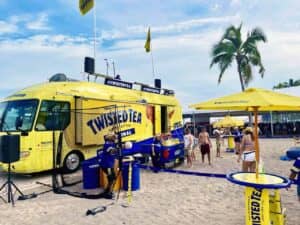
For mobile campaigns, branded vehicle wraps carry the message between stops. Clear graphics help the vehicle remain recognizable on the road and make the activation easier to spot when it arrives.
Testing New Markets and Products
Opening a permanent retail location involves decisions that can be incredibly expensive to reverse. A temporary activation gives a brand an opportunity to explore a market before making a longer commitment.
A pop-up can reveal whether people in a particular market respond to that particular brand. Staff can hear objections directly and observe which products attract attention compared with those that customers actually purchase.
That distinction matters because a busy demonstration doesn’t automatically mean strong buying interest.
When reviewing results, consider how festival attendance might differ from traffic on an ordinary shopping weekend. Reviewing the setting alongside customer feedback helps brands decide whether to adjust a product launch or investigate a future location more closely.
Reaching More Audiences with Mobile Pop-Ups
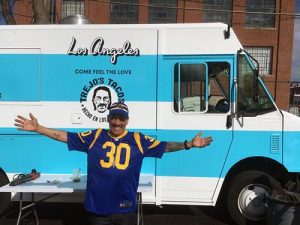
Mobile marketing vehicles and experiential trailers let brands take their pop-ups on the road. Instead of asking everyone to come to one location, businesses can bring the experience closer to the people they want to reach.
A tour might follow events that appeal to potential customers or stop in communities where the brand wants to get its name out there. Each visit offers a chance to connect with a new audience and learn what gets people excited.
CGS Premier designs and builds custom marketing vehicles and trailers, with options to purchase or lease. A custom build can make sense for an experience with specific needs or a vehicle that will see plenty of use. Leasing may work well for a shorter campaign, depending on what’s available and how much customization it needs.
Choosing the right setup starts with how the pop-up will work day-to-day. Visitors need enough room to enjoy the experience, and the vehicle needs to suit the campaign’s travel schedule.
Managing Costs with Reusable Assets
A pop-up comes with a shorter commitment, but it still needs a realistic budget. Getting everything from stop to stop can get expensive, especially when staffing costs follow along for the ride.
Comparing those expenses with the cost of a permanent location helps brands decide whether the temporary approach makes sense for their goals.
Reusing assets can help the budget go further over multiple activations. Modular displays let teams adjust the layout to fit each location, while swappable graphic panels keep messaging fresh without requiring a whole new set of fixtures.
Leasing can also lower upfront costs, though the details matter. Customization fees and return requirements belong in the budget, too, so brands can compare the full cost before making a decision.
Planning an Activation That Runs Smoothly
Let the goal shape the layout before the build begins. The pop-up’s graphics should feel like your brand, and the space inside needs to work for everyone. Staff need room to do their jobs, while visitors should easily understand where to go and how to get involved.
Sort out the site details early, by making sure the vehicle can access the location and that the available power meets the needs. Check permit requirements ahead of time and build enough breathing room into setup to test equipment before visitors arrive.
Why are pop-up shops successful? The answer to the concept’s growing popularity comes down to their flexibility, low risk, ability to increase brand awareness, customer engagement opportunities, and cost effectiveness. Pop-up shops have gained immense popularity in recent years, and more and more businesses need to leverage that popularity to their advantage.
At CGS Premier, we see how vital these shops can be for a business’s success, and we want to help you achieve that success with our pop-up store trailers. You can count on us to help get your business out there! Get in touch with us today to request a quote.