As consumer expectations continue to evolve, brands are under increasing pressure to create marketing that feels engaging, authentic, and memorable. Traditional advertising alone is no longer enough to capture attention or build lasting connections. This shift has led to the rapid rise of experiential marketing, a strategy focused on creating immersive, real-world interactions that allow audiences to engage directly with a brand.
In this blog, we’ll explore the key advantages of experiential marketing and why it has become such a powerful tool for modern campaigns. From driving deeper engagement and brand recall to enabling scalable, mobile activations, you’ll learn how experiential strategies help brands stand out in competitive markets and deliver measurable results.
What Are the Advantages of Experiential Marketing?
Experiential marketing is an effective form of marketing that taps into the emotions and buying sense of consumers. Additionally, this tactic consists of creating a unique, immersive, and engaging in-person experience for customers.
Creating an emotional connection to consumers drives sales. According to Forbes, 85% of attendees at these pop-ups stated they are more than likely to purchase after attending a branding event. This is why more brands are investing more money and time into experiential marketing. Unique and engaging events can not only generate engagement but also revenue.
With people increasingly tuning out traditional marketing, experiential campaigns stand out by inviting them into the story through immersive events, activations, and real-world moments that feel authentic and memorable.
This approach delivers clear advantages by creating deeper emotional connections, increasing engagement, and improving brand recall. When people interact with a brand in a real-world setting, the experience feels more authentic and trustworthy than traditional digital advertising. These moments leave a stronger impression and often inspire attendees to share their experiences, extending reach through organic word-of-mouth and social amplification.
Brands that invest in experiential marketing are better equipped to build lasting relationships and remain memorable in a crowded marketplace.
Key Advantages of Experiential Marketing
Experiential marketing stands out because it turns brand interactions into meaningful experiences that audiences remember and talk about:
- Stronger emotional connections: Immersive experiences allow audiences to connect with a brand on a personal level, building trust and long-term affinity.
- Higher engagement levels: Interactive elements encourage active participation, keeping audiences involved for longer periods of time.
- Improved brand recall: People remember experiences far more vividly than passive ads, making the brand more top-of-mind.
- Organic social sharing: Unique, engaging moments naturally motivate attendees to share content, expanding visibility beyond the event itself.
- Authentic brand storytelling: Experiential campaigns bring a brand’s values and personality to life in a way that feels genuine and believable.
As marketing becomes more experienced-driven, brands that focus on creating memorable, interactive moments will continue to stand out. Experiential marketing provides a powerful way to connect with audiences, leaving a lasting impact that extends well beyond the initial interaction.
Creates Memorable Brand Experiences
Branding events create an environment that provides a memorable shopping experience that engages all senses: sight, hearing, smell, taste, and touch. When comparing experiential marketing vs. traditional marketing, the key difference lies in engagement: experiential strategies invite participation, while traditional methods rely on passive consumption.
Traditional ads are often passive and easy to ignore, but immersive experiences invite participation, making the interaction feel personal and meaningful. When people feel something, such as excitement, surprise, or joy, they are far more likely to remember the brand behind it.
Drives Stronger Customer Engagement
Brands can improve engagement by shifting consumers from passive viewers to active participants. Instead of simply watching an ad, people interact directly with a brand through hands-on experiences, which naturally captures attention and encourages deeper involvement. This is a key reason why many marketers explore how experiential marketing influences consumer behaviors, as participation often leads to stronger interest and intent.
Customers respond better to interactive experiences because they create meaningful, two-way connections. Direct interaction with products or services allows people to form personal impressions, while longer engagement times increase the likelihood of building trust and recall. When audiences spend more time immersed in a brand experience, they are more likely to develop a genuine connection that influences future decisions.
Differentiates Your Brand in Competitive Markets
Experiential marketing helps brands stand out by cutting through the noise of an increasingly crowded digital landscape. With consumers constantly exposed to ads across multiple channels, it becomes harder for traditional messaging to make an impact. Immersive, in-person experiences offer something different by capturing attention in a way that feels fresh, engaging, and difficult to ignore.
Differentiation is more important than ever because consumers have endless choices and limited attention. Unique, custom-built experiences allow brands to showcase their identity tangibly, while thoughtfully designed environments and fabrication elevate overall brand perception. By creating something people have not seen before, brands can leave a lasting impression that sets them apart from competitors.
Increases ROI and Measurable Impact
Experiential marketing is often worth the investment because higher engagement typically leads to stronger conversion potential. When consumers actively participate in a brand experience, they are more likely to develop trust, interest, and intent to purchase. For brands evaluating how to measure experiential marketing ROI, the focus often goes beyond immediate sales to include engagement metrics, lead generation, and overall audience interaction.
ROI is measured through a combination of tangible and long-term indicators. These include data capture opportunities such as leads, sign-ups, and on-site interactions, as well as metrics like dwell time and social sharing. Additionally, experiential campaigns contribute to long-term brand equity by strengthening perception and loyalty. When considering budgeting for experiential marketing vehicles, brands should account for both short-term performance and the lasting value created through memorable, high-impact experiences.
Flexible Across Industries and Campaign Types
Experiential marketing is widely used across a range of industries because of its ability to create meaningful, real-world connections. From experiential marketing in the healthcare industry, where brands focus on education and trust-building, to industries that use experiential marketing sports, where fan engagement and live interaction are key, the approach adapts to different audience needs. It is equally effective in sectors like fashion, food and beverage, and automotive, where hands-on experiences allow consumers to interact directly with products and brand environments.
- Product Launches – Brands use experiential marketing to introduce new products through immersive, hands-on experiences that generate excitement and immediate feedback.
- Tours – Mobile tours allow brands to reach multiple locations, bringing interactive experiences directly to different audiences and expanding campaign reach.
- Pop-Up Activations – Short-term, high-impact pop-ups create buzz and exclusivity, giving consumers a unique way to engage with the brand in a controlled environment.
- Sports – Experiential campaigns in sports focus on fan engagement, creating memorable moments through live events, sponsorship activations, and interactive experiences.
- Healthcare – Healthcare brands use experiential marketing to educate, build trust, and communicate complex information through engaging, easy-to-understand formats.
- Fashion – Fashion brands leverage experiential marketing for runway-inspired events, pop-ups, and immersive showcases that highlight style, identity, and brand storytelling.
Supports Mobile and Scalable Campaigns
Typically, most brands can scale effectively by moving beyond a single location and reaching audiences wherever they are. Instead of being limited to one venue, brands can expand campaigns across multiple cities, adapting experiences to different markets while maintaining a consistent message. This flexibility is one of the key reasons to use an experiential marketing vehicle, as it allows brands to extend their reach without sacrificing impact.
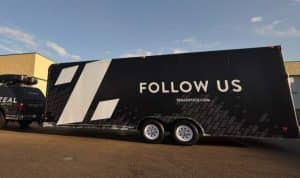
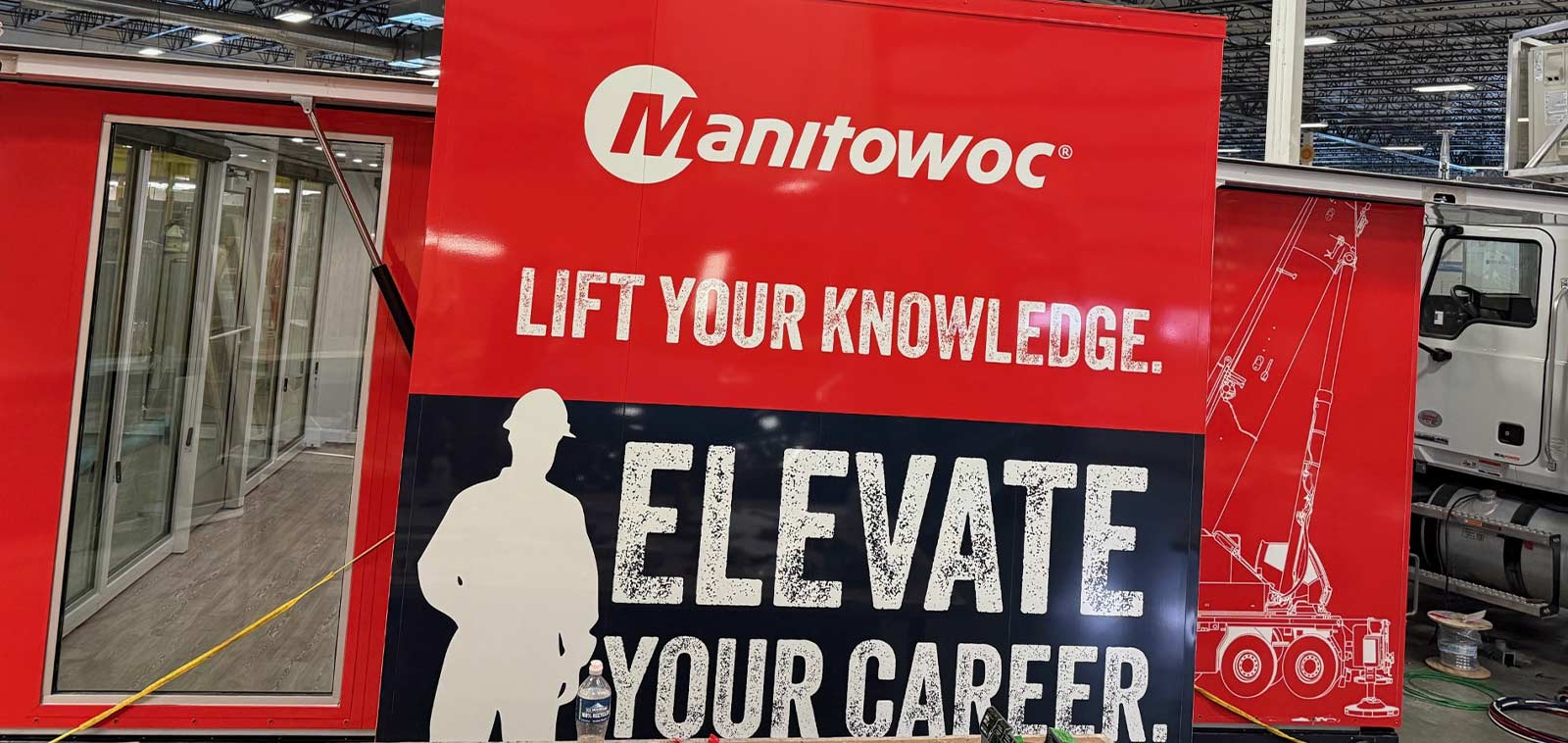
Mobile activations play a central role in this scalability. Using experiential marketing vehicles, trailers, or pop-up units, brands can bring immersive experiences directly to their target audience, whether at events, retail locations, or high-traffic public spaces. These mobile solutions make it possible to execute multi-city tours, increase visibility, and engage consumers who may not otherwise encounter the brand in a fixed location.
Case Studies: Successful Experiential Marketing Campaigns
Successful experiential marketing campaigns combine creativity, strategy, and execution to create immersive brand moments that resonate with large audiences. Companies like CGS Premier showcase how custom fabrication, mobility, and thoughtful design come together to deliver high-impact activations that go beyond traditional marketing. These campaigns are built to engage, offering interactive environments that encourage participation while reinforcing brand identity in memorable ways.
A strong example is the Verizon experiential marketing case study, where a global brand created a fully immersive environment using custom-built structures, bold visual design, and interactive elements. This type of activation demonstrates how experiential marketing can elevate brand perception in high-visibility settings while engaging large, diverse audiences
Similarly, the NBA experiential marketing case study highlights how brands connect with fans in sports and entertainment environments through interactive, large-scale activations designed for maximum engagement during major events.
These examples reinforce that the most effective experiential campaigns are custom-built, visually engaging, and designed for interaction. They also show how mobile and scalable solutions allow brands to reach broader audiences across multiple locations or high-traffic environments. Partnering with an experienced fabrication team ensures seamless execution, high-quality builds, and alignment with overall brand goals, ultimately maximizing the impact of each campaign.
How to Maximize the Advantages of Experiential Marketing
Building a successful experiential marketing campaign starts with a clear strategy and a strong focus on the audience. Brands should begin by defining specific campaign goals, whether that is increasing awareness, generating leads, or driving engagement. From there, the experience should be designed around the audience, ensuring it is interactive, memorable, and aligned with their interests. Investing in custom design and fabrication is also critical, as unique, high-quality builds help bring the brand story to life in a way that stands out.
Execution plays an equally important role. Careful planning around logistics, staffing, and location ensures the experience runs smoothly and reaches the right audience. Brands should also prioritize measuring performance through engagement metrics, lead capture, and overall impact, using those insights to refine future campaigns. For companies looking to elevate their activations, partners like CGS Premier can support everything from custom builds and experiential marketing vehicles to fully fabricated environments that scale across campaigns. To learn more or start planning your next activation, contact us today.